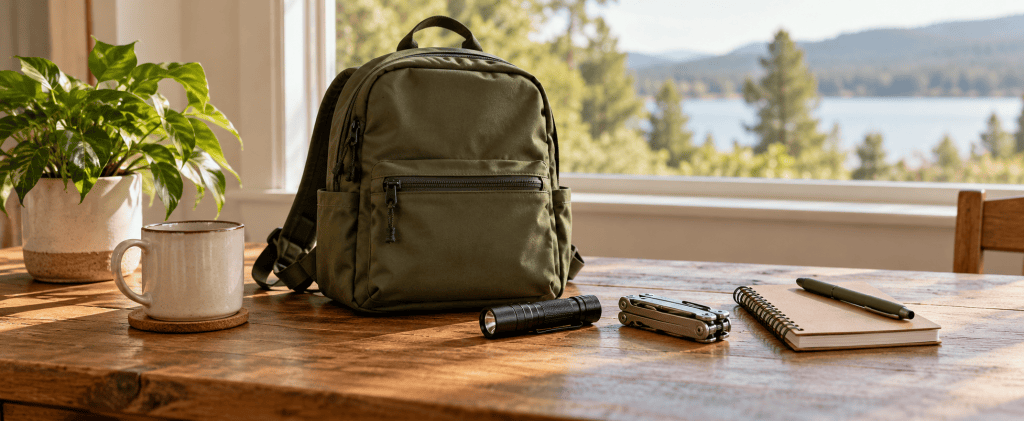
A multi-tool combines several useful tools into one compact package. Depending on the model, it may include pliers, screwdrivers, scissors, a file, a bottle opener, and a knife blade.
A good multi-tool can help with minor repairs, opening packages, tightening loose screws, cutting cord, and handling other everyday tasks. However, the model with the most tools is not always the best choice. Extra features add size, weight, and cost.
The best everyday multi-tool is one that contains the tools you will actually use, feels comfortable in your hand, and is easy to carry safely.
Start With the Tasks You Normally Encounter
Before shopping for a multi-tool, think about the small problems you regularly face.
You may occasionally need to:
- Tighten a loose screw
- Grip or bend a small object
- Open a package
- Cut string, tape, or cord
- Trim a loose thread
- File a rough edge
- Open a bottle
- Make a minor adjustment to equipment
Write down the tools that would help with those tasks. This keeps you from paying for features that sound impressive but may never be used.
Someone who works around a house, garage, or vehicle may benefit from a full-size tool with sturdy pliers. Someone who mainly opens packages and handles small office tasks might prefer a lighter pocket-size model.
Understand the Main Types of Multi-Tools
Multi-tools generally fall into three basic categories.
Keychain Multi-Tools
These are the smallest and lightest options. They may include scissors, a small screwdriver, tweezers, a file, or a bottle opener.
A keychain model is easy to carry, but its small size limits the amount of force it can handle. It is better suited to light everyday tasks than serious repairs.
Pocket Multi-Tools
Pocket-size models provide more capability while remaining reasonably easy to carry. They may include pliers, screwdrivers, scissors, a file, and a blade.
This size can be a good balance for everyday use. Some models include a pocket clip, while others are carried in a small pouch.
Full-Size Multi-Tools
Full-size models usually provide stronger pliers, larger tools, and more leverage. They may be useful for vehicle kits, home projects, outdoor activities, or work situations.
The disadvantage is additional weight. A full-size model may be better stored in a backpack, glove compartment, or belt pouch than carried in a pocket.
Choose the Tools You Will Actually Use
A long list of features does not necessarily make a multi-tool more useful.
For many people, the most practical tools are:
- Pliers
- Phillips screwdriver
- Flathead screwdriver
- Scissors
- File
- Bottle opener
- Package opener
- Knife blade, where legally permitted
Think carefully about whether you need a saw, wire cutters, can opener, or other specialized features. If you are unlikely to use them, they may add unnecessary weight.
Quality is more important than the number of tools. Five dependable tools can be more useful than fifteen poorly made ones.
Pay Attention to Size and Weight
A multi-tool that is too heavy or uncomfortable will probably be left at home.
Before choosing one, decide where you plan to carry it:
- In a pocket
- On a keychain
- In a purse
- In a backpack
- In a belt pouch
- In a vehicle emergency kit
- In a toolbox or desk drawer
A lightweight model is convenient for daily pocket carry. A heavier model may provide better grip and strength but can become uncomfortable during a long day.
Check the product’s dimensions and weight rather than relying only on photographs. Online photographs can make a tool appear smaller than it actually is.
Make Sure It Is Easy to Open
Some multi-tools are difficult to operate, especially when they are new. Tools may be packed tightly together, and small nail notches can be challenging for people with limited hand strength or dexterity.
Look for:
- Tools that are easy to identify
- Openings that provide a secure grip
- Handles that feel comfortable
- Controls that do not require excessive force
- One-handed access if that feature is important to you
A tool should be secure when closed but should not be so difficult to open that you avoid using it.
Understand Locking Tools
Some multi-tools have blades or other implements that lock into position when opened. A locking mechanism can help prevent a tool from folding unexpectedly during use.
If a tool includes a lock, learn how to release it before carrying or using the multi-tool. Do not force it closed.
Even with a locking mechanism, always use the correct tool for the job. A multi-tool is intended for light or moderate tasks and is not a replacement for a full-size professional tool when substantial force is required.
Consider Build Quality
A dependable multi-tool should feel solid without having loose or poorly aligned parts.
When evaluating quality, consider:
- Materials used in the handles and tools
- Smooth operation
- Secure locking mechanisms
- Comfortable edges
- Manufacturer warranty
- Availability of replacement parts or service
- Consistent customer support
Be cautious of products making exaggerated claims or offering many features at an unusually low price. An inexpensive tool may be acceptable for occasional light use, but it should still operate safely.
Check the Rules Before Carrying It
Many multi-tools include a knife blade. Rules concerning blades can vary by state, city, workplace, school, building, event, and method of transportation.
A multi-tool that is acceptable in one location may be prohibited in another.
Before carrying one:
- Review applicable state and local laws.
- Check workplace policies.
- Check restrictions before entering schools, courthouses, airports, or other controlled locations.
- Check venue rules before attending concerts or sporting events.
- Pack it properly when traveling.
A bladeless multi-tool may suit some situations, but it is not automatically permitted everywhere. Check the rules for every implement it contains and confirm current security requirements before traveling.
Use the Multi-Tool Safely
A multi-tool should be treated with the same care as any other hand tool.
Follow these basic safety practices:
- Select the correct implement for the task.
- Open one tool at a time when possible.
- Keep your fingers away from folding and cutting areas.
- Cut away from your body.
- Do not use excessive force.
- Never use a damaged or loose tool.
- Keep blades and sharp implements away from children.
- Clean and dry the tool after exposure to dirt or moisture.
Do not use the multi-tool as a hammer, pry bar, or electrical repair tool unless the manufacturer specifically designed it for that purpose.
Maintain Your Multi-Tool
Inspect the multi-tool occasionally to keep it working properly.
Basic maintenance may include:
- Wiping off dirt and moisture
- Checking for loose or damaged parts
- Removing debris from moving areas
- Applying an appropriate lubricant according to the manufacturer’s instructions
- Sharpening blades carefully when necessary
- Storing the tool in a dry location
If the tool becomes damaged or fails to lock correctly, stop using it until it can be repaired or replaced.
Multi-Tool Buying Checklist
Before making a decision, ask:
- Which tools will I actually use?
- Where will I carry or store it?
- Is the size and weight comfortable?
- Are the individual tools easy to open?
- Do the blades and tools lock securely?
- Does it feel sturdy and well made?
- Is there a useful warranty?
- Can I operate it safely with my hand strength and dexterity?
- Is it permitted where I normally go?
- Am I paying for unnecessary features?
Final Thoughts
A multi-tool can be a valuable part of an everyday carry kit, but it should match your needs rather than someone else’s list.
Begin by identifying the tasks you commonly encounter. Choose a size that you will comfortably carry, select the features you will genuinely use, and pay attention to safe operation and build quality.
The right multi-tool is not the one with the most attachments. It is the dependable tool you can safely use when a small problem needs a practical solution.
Gear Up Daily helps you carry smart and stay prepared.

